in today's world of global digitization, server performance directly affects user experience and enterprise operations. in malaysia, many users and businesses have found that server latency issues occur frequently, which not only affects the access speed of the website, but also reduces the user's interactive experience. this article will delve into the reasons for high server latency in malaysia and its solutions to help relevant parties better understand and deal with this problem.
network infrastructure limitations
compared with some developed countries, malaysia's network infrastructure still has certain deficiencies. this includes aspects such as the coverage of fiber optic networks, the number of data centers, and the quality of network equipment. some remote areas may lack stable network connections, causing users to experience higher latency when accessing the server. in addition, as the number of internet users increases, network congestion is becoming increasingly serious, which further aggravates the delay problem. therefore, improving network infrastructure is the first step to solve latency.
data center location
the geographical location of the server has a significant impact on latency. data centers in malaysia are relatively concentrated in specific cities, and areas farther away from users may experience higher latency when accessed. in order to improve access speed, enterprises can consider establishing data centers in areas where user groups are more concentrated, or use a content distribution network (cdn) to cache data, thereby reducing the distance between users and servers and improving access speed.
network congestion and traffic management
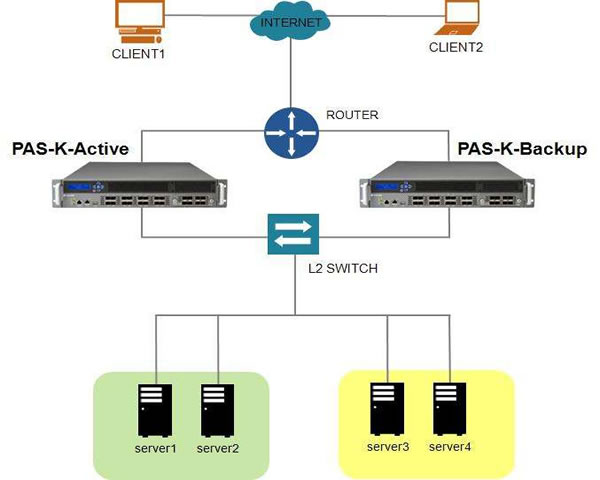
network congestion is one of the main causes of server latency. during peak hours, a large number of users accessing the same server at the same time may cause the server to be overloaded, resulting in increased response times. in order to deal with this problem, enterprises can implement traffic management strategies, such as load balancing technology, to evenly distribute access traffic to multiple servers, reducing the pressure on a single server, thereby effectively reducing latency.
server configuration and performance
the hardware configuration and performance of the server are directly related to its ability to handle requests. if the server's cpu, memory, and storage performance are insufficient, it may cause requests to be processed slowly, resulting in higher latency. therefore, enterprises should regularly evaluate servers to ensure that their configuration can meet current business needs, and upgrade hardware when necessary to maintain good performance.
software optimization and application performance
in addition to hardware factors, software optimization is also an important factor affecting server response speed. the code efficiency of the application, the query speed of the database and its index optimization, etc., will directly affect the response time of the server. enterprises should regularly conduct code reviews and optimizations on applications to ensure that the software can handle user requests quickly and effectively and reduce delays.
influence of external factors
in malaysia, server latency may also be affected by external factors, such as severe weather, natural disasters, or political factors, which may cause network outages or increased latency. enterprises should develop contingency plans to deal with emergencies. at the same time, choosing a reliable network service provider is also an important strategy to reduce external impacts and ensure that services can be restored quickly when problems occur.
monitoring and maintenance
in order to effectively manage server performance, enterprises need to establish monitoring systems to track server status and network latency in real time. through data analysis, companies can discover potential problems in a timely manner and make corresponding adjustments and maintenance. in addition, regular maintenance and updates are also important measures to ensure stable server operation, which can effectively reduce delays.
summary and suggestions
there are various reasons for high server latency in malaysia , including network infrastructure limitations, data center location, network congestion, server performance, software optimization, and external factors. to address these problems, enterprises should take comprehensive measures, including upgrading network infrastructure, optimizing data center layout, implementing traffic management, upgrading hardware and software, and establishing monitoring and maintenance mechanisms. through these solutions, enterprises can not only reduce server latency, but also significantly improve user experience and business efficiency.

- Latest articles
- Why Do E-commerce And Video Platforms Need Japanese Native IP Websites To Ensure A Good Experience?
- Survival Strategies And Differentiated Service Explorations For Small And Medium-sized Vendors In The U.S. Server Hosting Industry
- How To Quickly Raise The Entry-level Salary Tier Of Hong Kong IDC Data Centers Through Certificates And Project Experience
- A Practical Guide To Comparing Malaysian Cloud Server Price Lists For Different Models And Bandwidth Options
- Where To Buy Taiwan Native IPs With Legal And Compliant Buying Guides
- Which Cloud Server In Vietnam Is A Good Case, Sharing Best Practices And Implementation Experiences Across Different Industries
- Gaming Industry Special Edition: Thailand Acceleration Server Rankings And Player Experience Report
- IP Reputation And Blacklist Risk Management When Choosing Hong Kong Multi-IP Server Hosting
- How Cross-border Developers Can Choose A German VPS Hosting Solution That Is Compliant And Supports GDPR
- In-depth Analysis Of The Pros And Cons Of Hong Kong Server CN2 And A Guide For Small And Medium-sized Enterprises To Buy
- Popular tags
-

Advantages And Selection Guide Of Malaysia Vps Cn2 Gia
this article details the advantages of malaysia vps cn2 gia and provides a selection guide to help users make informed decisions. -
The Abbreviation Of Malaysian Server And Its Application In The Industry
this article explores the abbreviation of malaysian server and its application in the industry, providing professional insights and analysis suitable for practitioners in the web hosting and data center industry. -
Factors To Consider When Choosing Cn2 Vps In Malaysia
factors to consider when choosing a cn2 vps in malaysia to help you make an informed decision and ensure optimal network performance and stability.